


Όλοι μας προσέχουμε την εξωτερική εμφάνιση του αμαξιού μας ξεχνώντας πολλές φορές το εσωτερικό του.
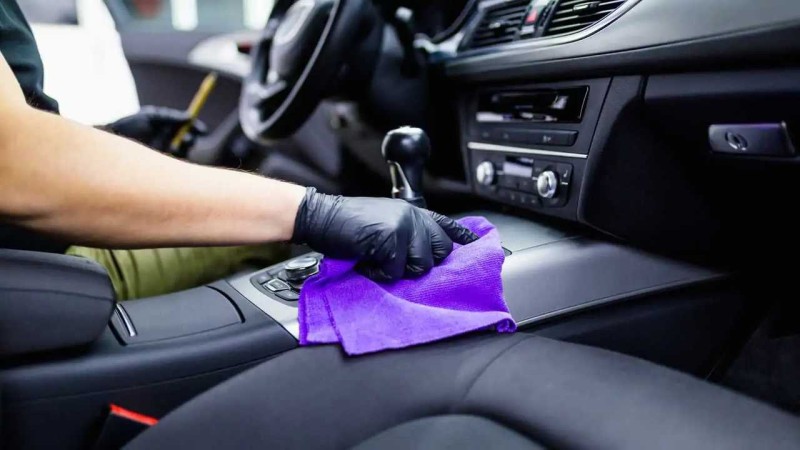
Unlike the exterior of our car, where diagnosing damage (oxidation, swirl marks, small and larger scratches) and dealing with it is easier, cleaning the interior and removing stains and odours from it is more difficult.
There are many materials inside our cars; however, we will talk about fabric surfaces, upholstery and carpets, which have been used on our seats, headliners, dashboards and even doors since the 1970s.
Carpets and upholstery are soft and comfortable, making your journey more pleasant. They are also porous fabrics that attract not only dirt and stains, but tons of unpleasant germs. Exposure to germs is necessary for building antibodies, but if you are driving around in a sea of germs, you should improve this situation.
Even if you wash your hands frequently, use hand sanitiser or shower twice a day, no one can guarantee that everyone who gets into your car follows the same hygiene practices. Let’s assume all your friends are the cleanest people ever. They will still be exposed to dirty car carpets and upholstery, as well as things trapped in these fabrics that can actually come into contact with your body. Let’s talk more about the unpleasant stuff:
What is really in there?
•Germs such as Norovirus, also known as the stomach flu virus, which can live on fabric for up to a month (!!!). You can catch an illness from your car. Other unwanted visitors in your carpets and upholstery include:
-Escherichia coli
E. Coli can also live on fabric! How lovely! Your dog runs around the park having the time of its life and, naturally, because it is a dog in a park, it will probably step in something unpleasant once or twice. It jumps into your car and you drive home from the park and, unless it is strapped to your roof (which it isn't!), it spreads all of this across the carpeted floor of your vehicle.
-Staphylococcus:
These are bacteria found in human noses. Fingers often find their way into human noses—the same fingers that touch your car seats.
Tips:
If you or your passenger cannot stop picking your nose, keep hand sanitiser nearby to kill germs immediately. Using hand sanitiser does not guarantee that germs will not spread, but it certainly helps.
Open your windows every time you drive, even if only for 30 seconds, to increase ventilation and make the air inside your car healthier. The warmer and more stagnant the air inside your car, the better the environment for germs. So open the windows.
•Bugs
Germs are not the only unpleasant things found in your car's carpets and upholstery. Bugs can live there too. What kind of bugs, you ask?
Dust mites that can trigger allergies
Carpet beetles, as well as
Bed bugs that can live in the carpet
Tips:
Vacuum your car's upholstery and carpets thoroughly, perhaps even to the point where it seems excessive. Empty the vacuum cleaner container or change the bag away from the car.
And now that you are sufficiently disgusted...
Most people simply do not have large steam cleaners, professional detergents and tools in their homes. You should entrust your car's carpets and upholstery to professional hands. You should visit a professional at least once a year, although every 6 months is ideal.
Between professional cleanings, you can take steps to keep your interior less dirty. Vacuum the fabrics inside your vehicle regularly; once a week would be a good place to start.
Your car is your second home. We know you are busy with things other than your car, but in the end, the reward is greater. Fewer germs and bugs mean a lower chance of illness caused by contact with the fabric surfaces inside your car. Don't be afraid, just be prepared.